Discover the best beginner pointe shoes for new dancers. Learn how to choose the right fit, features, brands, and tips for starting pointe safely.
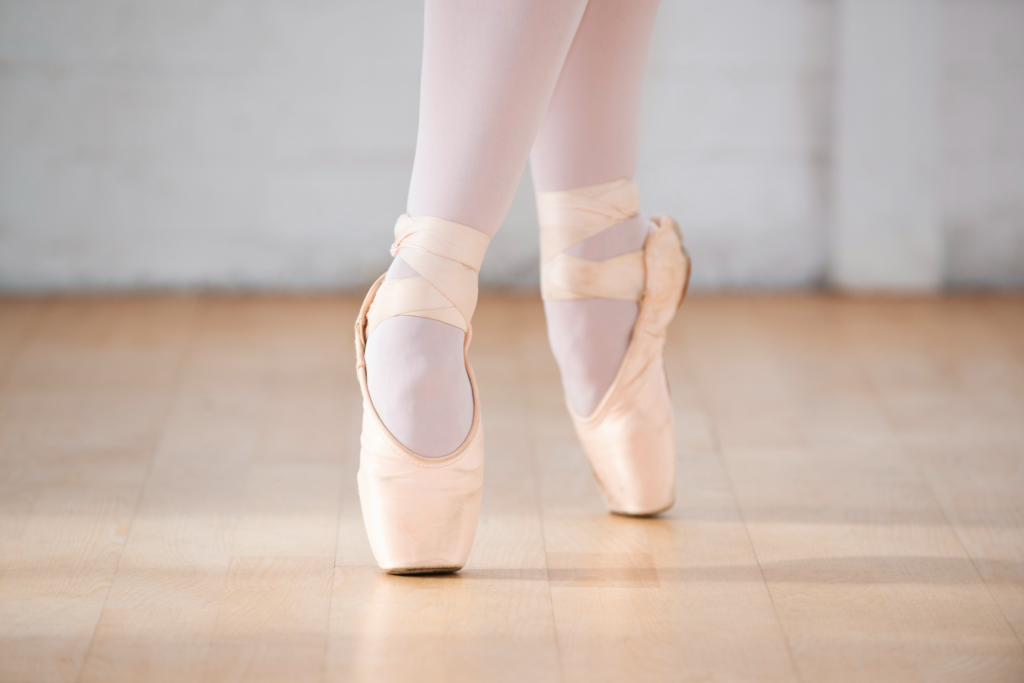
Best Beginner Pointe Shoes: What to Look For
Starting pointe work is an exciting milestone for ballet dancers. However, choosing your first pair of pointe shoes can feel overwhelming because there are many brands, styles, shank strengths, toe shapes, and fitting options available.
The best beginner pointe shoes are not necessarily the most expensive or popular pair. A good first pointe shoe should suit your individual foot shape, strength, technique, and the recommendations of your ballet teacher and professional pointe fitter.
Because pointe shoes are highly personal, beginners should always be professionally fitted rather than purchasing a pair based only on online reviews or appearance.
What Makes a Good Beginner Pointe Shoe?
Beginner dancers generally benefit from pointe shoes that provide appropriate support while allowing them to develop proper technique. Some important features to consider include:
Correct fit: The shoe should fit securely without excessive pressure or painful squeezing.
Suitable shank: A beginner may need a shank that provides an appropriate balance between support and flexibility.
Toe box: The box should accommodate the dancer’s toe shape without allowing excessive movement.
Heel fit: The heel should stay reasonably secure without uncomfortable tightness.
Platform: A stable platform can help dancers feel balanced when fully on pointe.
Comfort: Pointe shoes will not feel like ordinary ballet slippers, but persistent pain or numbness is a sign that the fit should be reassessed.
The right shoe depends on the dancer rather than simply being labeled a “beginner” model.
Popular Pointe Shoe Options for Beginners
Several established ballet brands offer models that are commonly considered by dancers beginning pointe work. Availability and suitability can vary depending on your location and fitter.
Bloch Pointe Shoes
Bloch offers a wide range of pointe shoes with different shapes and construction options. Its beginner-friendly models may appeal to dancers who need different combinations of shank strength, box shape, and support.
Bloch shoes are widely available, which can also make it easier to find professional fitting services in many locations.
Why consider Bloch?
Multiple shoe shapes and constructions
Broad range of sizes and widths
Established ballet footwear manufacturer
Many models suitable for different foot types
Capezio Pointe Shoes
Capezio is another well-known ballet brand with a variety of pointe shoes. Different Capezio models are constructed for different foot shapes and technical requirements.
For a beginner, the important consideration is not simply choosing a Capezio shoe but identifying the specific model that matches the dancer’s feet and the fitter’s recommendations.
Potential benefits include:
Several pointe shoe designs
Different box and shank configurations
Widely recognized dance brand
Options for different foot widths
Grishko Pointe Shoes
Grishko offers traditional and modern pointe shoe designs. Its range includes different toe boxes, shank options, and construction styles.
Some dancers may find a Grishko model works particularly well with their foot shape, while others may require a different brand entirely. Professional fitting is therefore especially important when selecting a first pair.
Suffolk Pointe Shoes
Suffolk produces pointe shoes in various constructions. The brand is known for offering different shapes and support characteristics, giving dancers and fitters several options to consider.
As with other brands, beginners should focus on the specific model and fit rather than the brand name alone.
How to Choose Your First Pointe Shoes
the following steps explains , how we can choose the best pointe shoes .
Start With Your Ballet Teacher
Before buying pointe shoes, speak with your ballet teacher. They can assess whether you are ready for pointe work and may have recommendations based on your technique and foot strength.
Your teacher may also recommend a particular fitter or dance store.
Get Professionally Fitted
A professional pointe shoe fitting is one of the most important steps when buying your first pair. A fitter can examine your foot shape, toe length, arch, ankle movement, and other characteristics before recommending suitable shoes.
Avoid selecting a pair simply because they look attractive or because another dancer wears them.
Know Your Toe Shape
Feet come in many shapes. Some dancers have relatively even-length toes, while others have a longer first toe or a more tapered arrangement.
The shape of the toe box should work with your individual toes. A poorly matched box can contribute to discomfort and instability.
Pay Attention to Width
Pointe shoes are available in different widths. A shoe that is too narrow can create excessive pressure, while one that is too wide may allow unwanted movement.
Your foot should be held securely without being painfully compressed.
Consider Shank Strength
The shank is the part of the pointe shoe that runs underneath the foot and provides support.
Beginners often need to work with their teacher and fitter to determine an appropriate shank. A very hard shoe is not automatically better, and a dancer should not select a shank simply because it seems more supportive.
The correct choice depends on factors such as foot strength, technique, body weight, and the specific construction of the shoe.
Signs Your Pointe Shoes May Not Fit Correctly
Even a professionally fitted shoe may need adjustments as you gain experience. Watch for problems such as:
Persistent pain while standing on pointe
Toes being crushed or excessively compressed
Significant heel slipping
Excessive movement inside the shoe
Difficulty maintaining proper alignment
Numbness or unusual loss of sensation
Excessive pressure on one particular toe
If you experience these problems, tell your teacher and return to your fitter rather than trying to force yourself to adapt to an unsuitable shoe.
Should Beginners Buy Pointe Shoes Online?
Online shopping can be convenient, but first-time pointe dancers should be cautious. Pointe shoes are highly individualized, and two dancers who wear the same shoe size in regular footwear may need completely different pointe shoes.
After you have been professionally fitted and understand your preferred model and size, purchasing replacement pairs online may be more practical. For your first pair, however, an in-personfitting is generally the safer approach.
How Long Do Beginner Pointe Shoes Last?
There is no universal lifespan for pointe shoes. How long a pair lasts depends on the dancer, training frequency, shoe construction, technique, and how quickly the materials soften.
Beginners should inspect their shoes regularly and tell their teacher when the shoes start feeling unusually soft, unstable, or unable to provide appropriate support.
Never continue using a pair simply because it still looks acceptable from the outside.
Final Thoughts
Finding the best beginner pointe shoes is less about choosing a universally “best” brand and more about finding the right shoe for your individual feet and ballet training.
Brands such as Bloch, Capezio, Grishko, and Suffolk offer a variety of pointe shoe designs, but the ideal model can differ significantly from one dancer to another. A professional fitting, guidance from your ballet teacher, and attention to proper technique are the most important parts of choosing your first pair.
If you are preparing for your first pointe fitting, bring your ballet tights and any accessories you normally use, follow your teacher’s recommendations, and give yourself enough time to try different options. The right fit should help you work safely and confidently as you develop your pointe technique.